
Stansted through time – a look back at our history
As part of Local and Community History Month, we’re taking a journey through time to celebrate the fascinating story of London Stansted.
From its origins as a vital wartime airfield to its transformation into one of the UK’s busiest airports, here’s a look back at some of the key moments that have shaped Stansted:
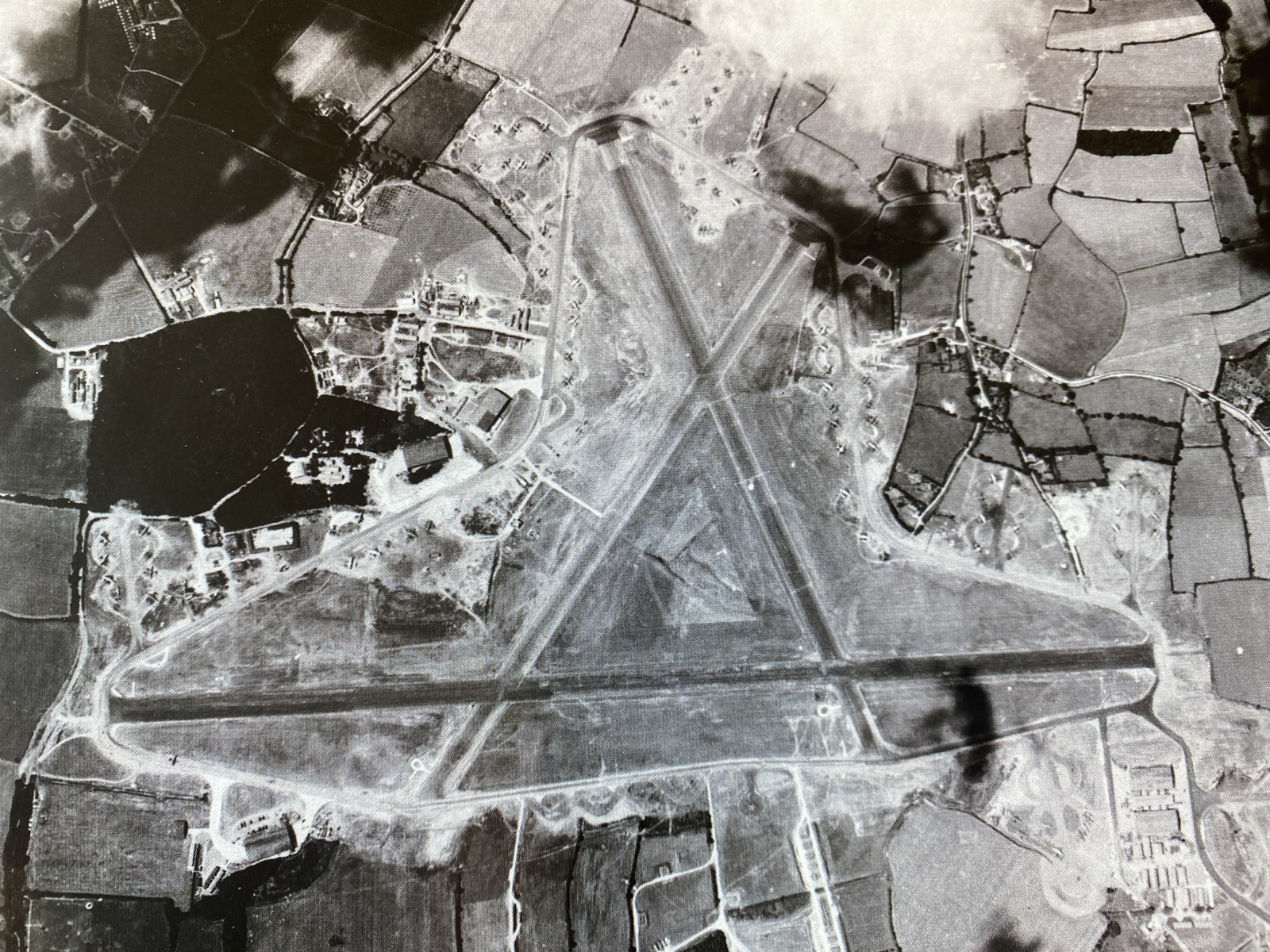
1943 – Wartime beginnings
"Stansted began life as an airfield for the US Army Air Force, playing a key role in WWII missions across Europe."
In 1943, Stansted opened as RAF Stansted Mountfitchet, serving as a base for the United States Army Air Force. Briefly renamed George Washington Field, it played a crucial role in the Allied war effort, supporting missions across Europe.
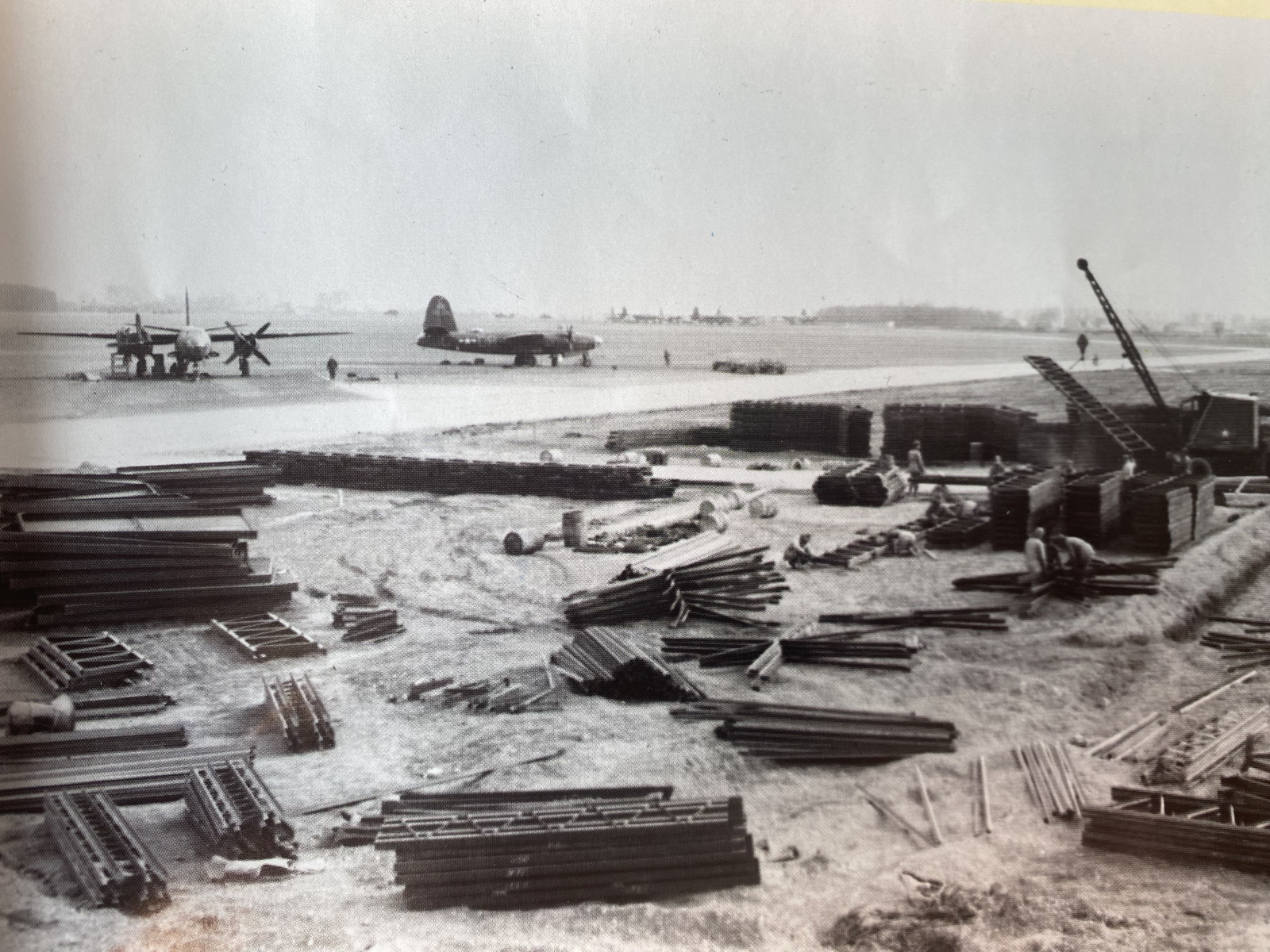
1944 – Home to the ‘Silver Streaks’
"As the ninth largest USAAF base in East Anglia, Stansted was home to the 344th Bomb Group – the 'Silver Streaks' – flying B-26 Marauders."
Just after 4am on D-Day, 56 Marauders from Stansted led 600 aircraft from the 9th Air Force into action over Normandy. Their bravery earned the Bomb Group a Distinguished Unit Citation in July 1944.
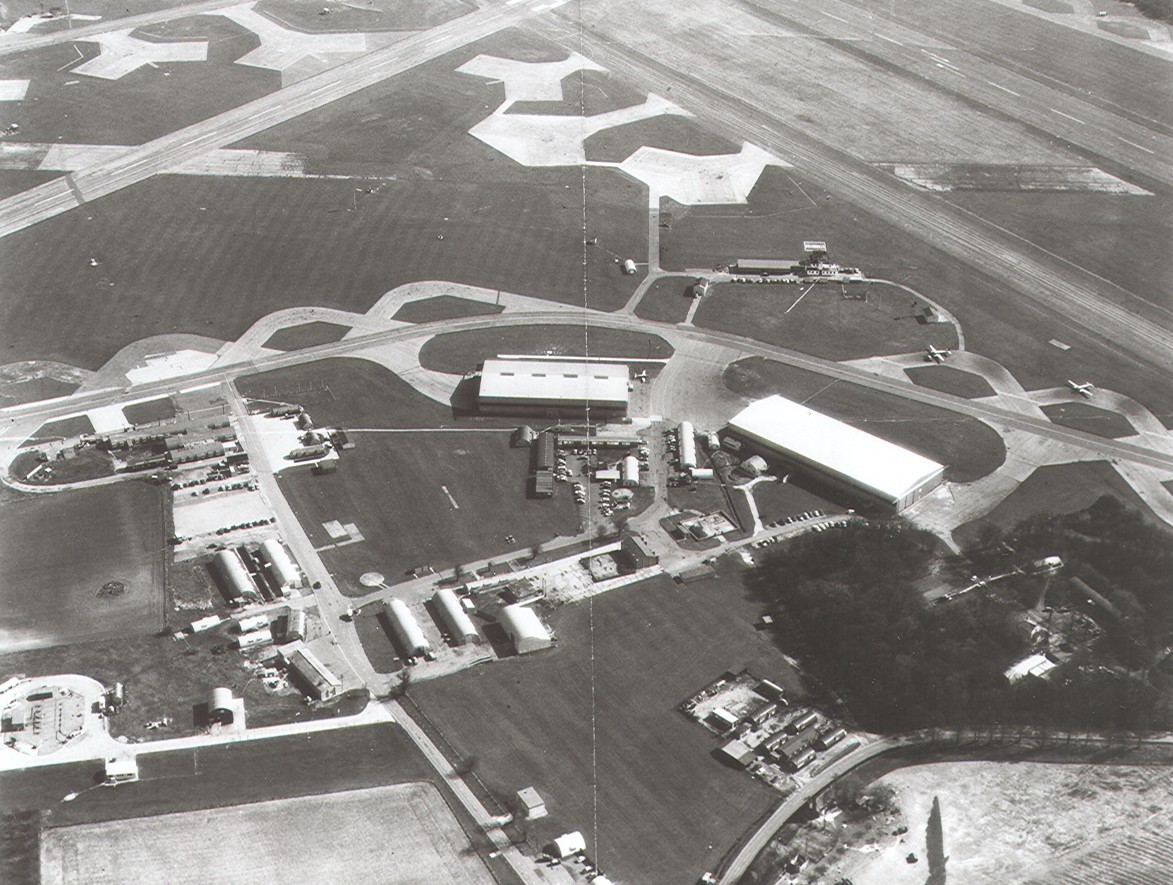
1945 – Post-war transition
"After the war, Stansted began its journey towards becoming a civilian airport."
Following the end of WWII, Stansted played a key role in repatriating troops and transporting cargo. This marked the early stages of its transformation into a commercial airport.
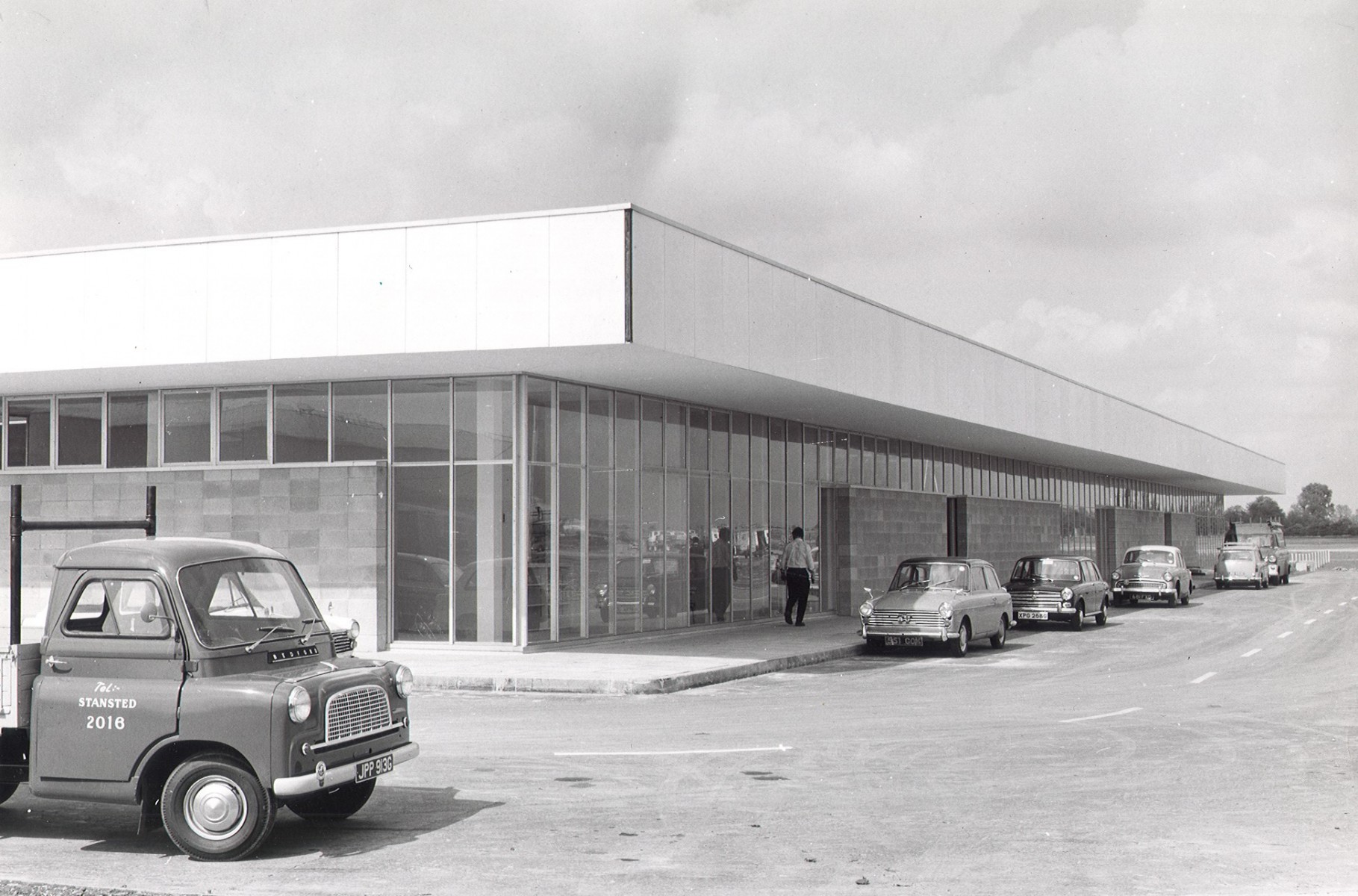
1966 – Civil aviation begins
"The 1960s saw the start of commercial flights – and the beginning of Stansted welcoming passengers!"
In the 1960s, Stansted opened its first passenger terminal, officially entering the world of civil aviation and welcoming travellers from around the world.
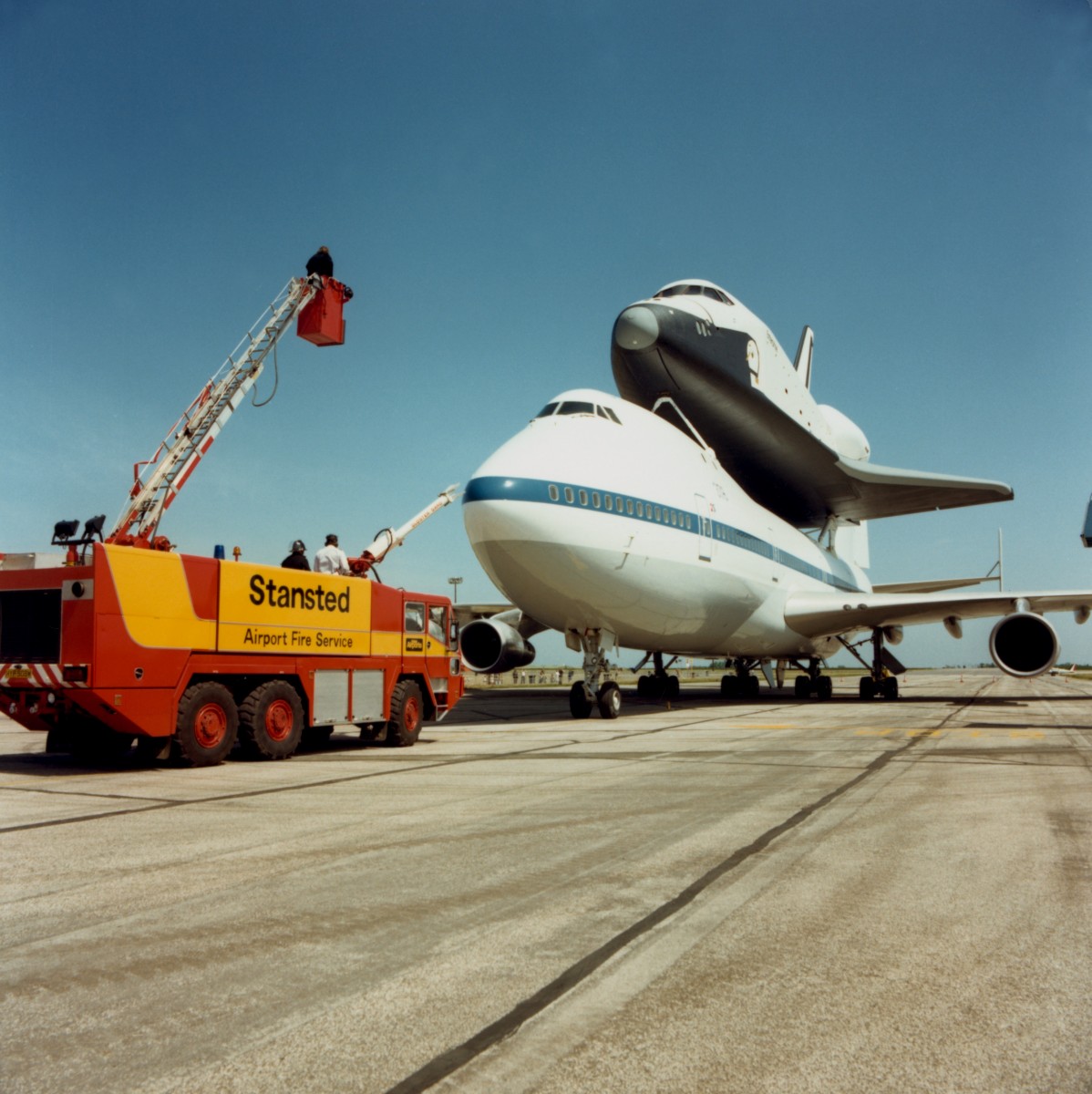
1983 – Over the moon to welcome the Space Shuttle
“In 1983, the Space Shuttle visited Stansted as part of a European tour – with 200,000 people turning out to see it!”

The iconic NASA orbiter made a memorable stop at Stansted, thrilling the crowds and marking a proud moment in the airport’s history.

Stansted has also served as a backdrop for Hollywood films, popular TV shows, and music videos, with appearances in James Bond, Bridget Jones, and Only Fools and Horses.
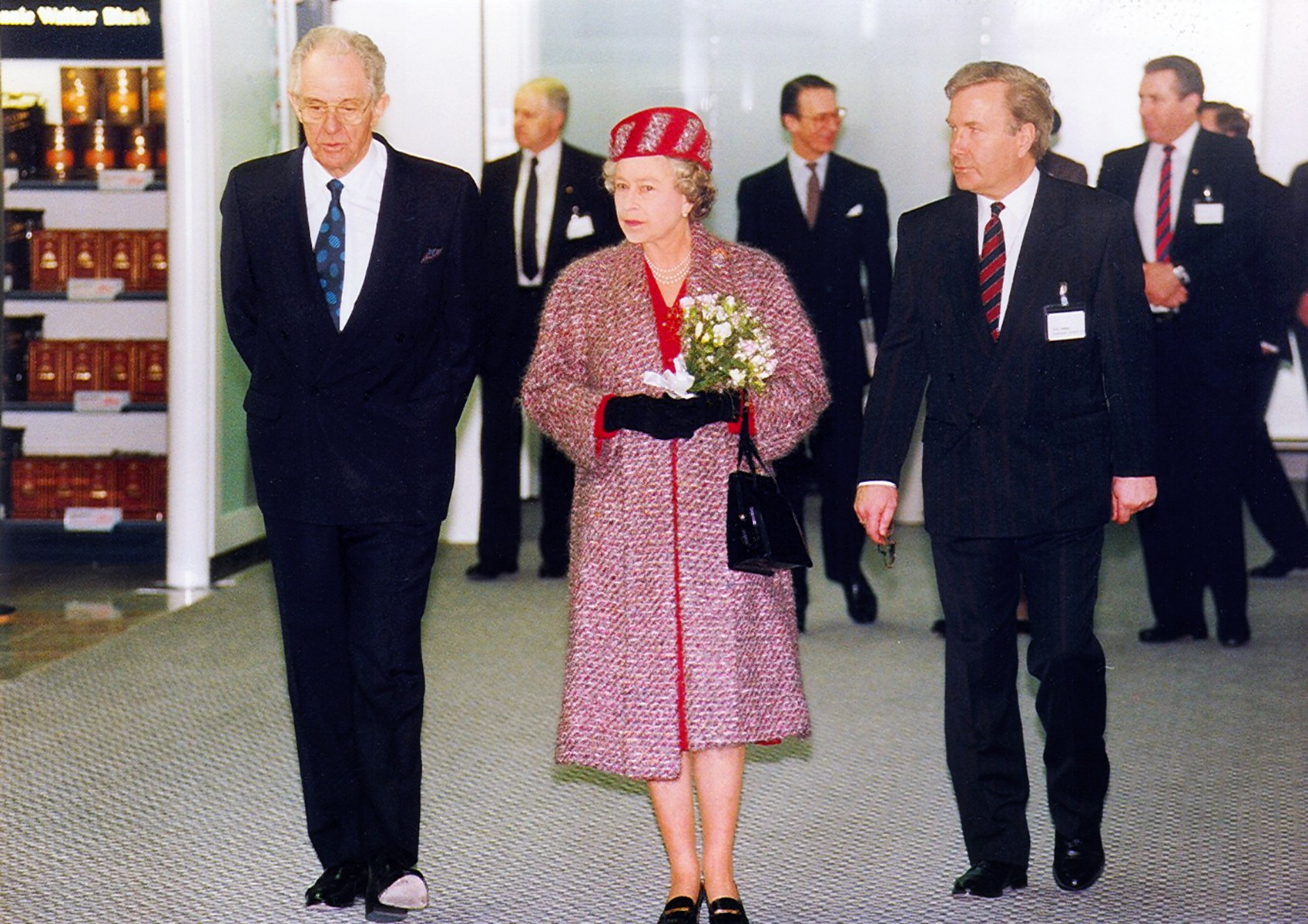
1991 – The Foster terminal opens
“Our iconic terminal, designed by Sir Norman Foster, opened in 1991 – and still defines Stansted today.”

The opening of the award-winning terminal designed by Sir Norman Foster marked a turning point for Stansted. Sleek and innovative, it became a symbol of modern airport design and set the stage for rapid growth.

2020s – A global gateway
"Today, Stansted serves almost 30 million passengers a year and connects to 200 destinations worldwide."
Now one of the UK’s busiest airports, Stansted is home to major airlines including Ryanair, Jet2.com, and Emirates, connecting millions of passengers to destinations across Europe, North Africa, and the Middle East.
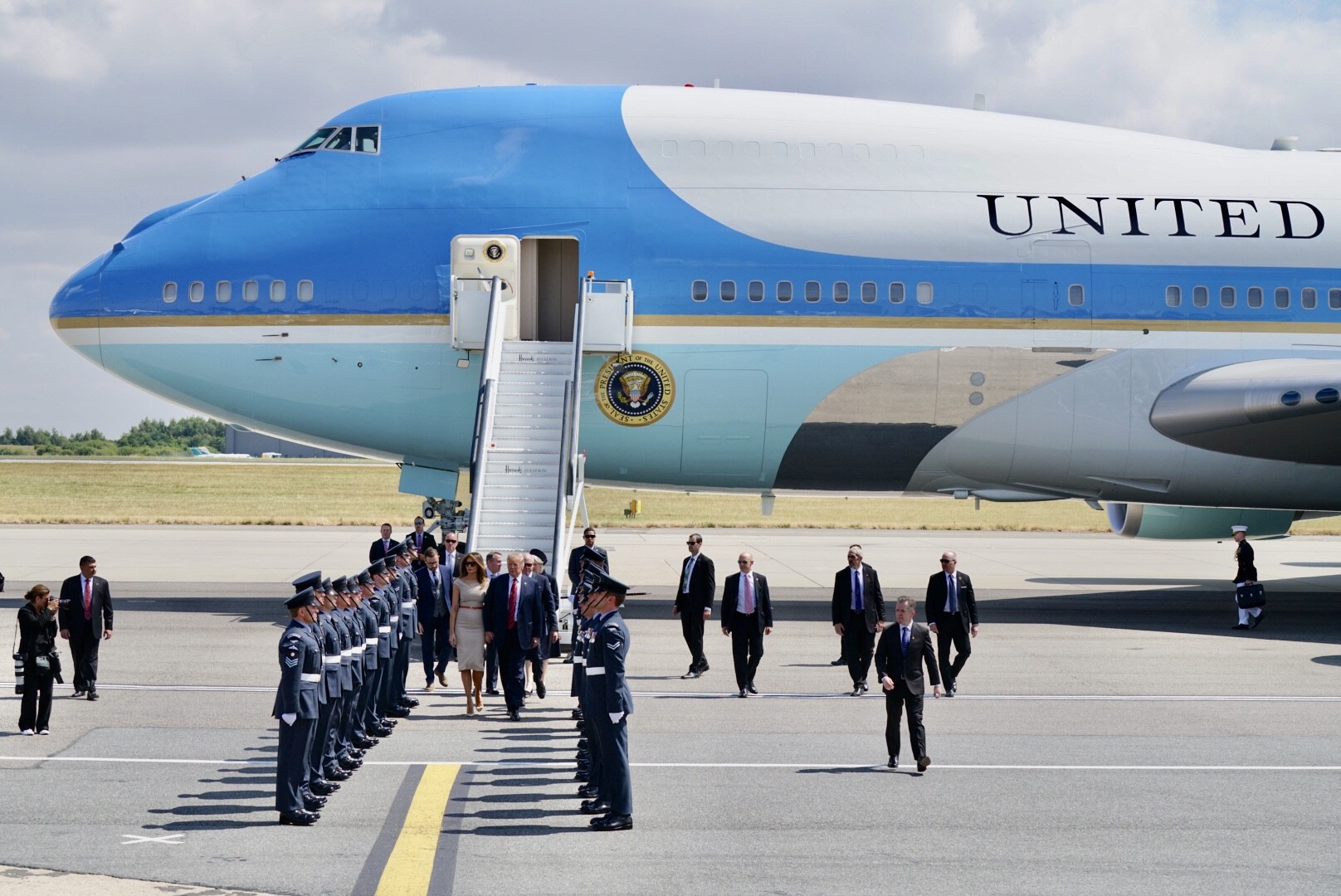
The airport has welcomed many prominent global figures - including U.S. Presidents arriving on Air Force One on seven occasions.
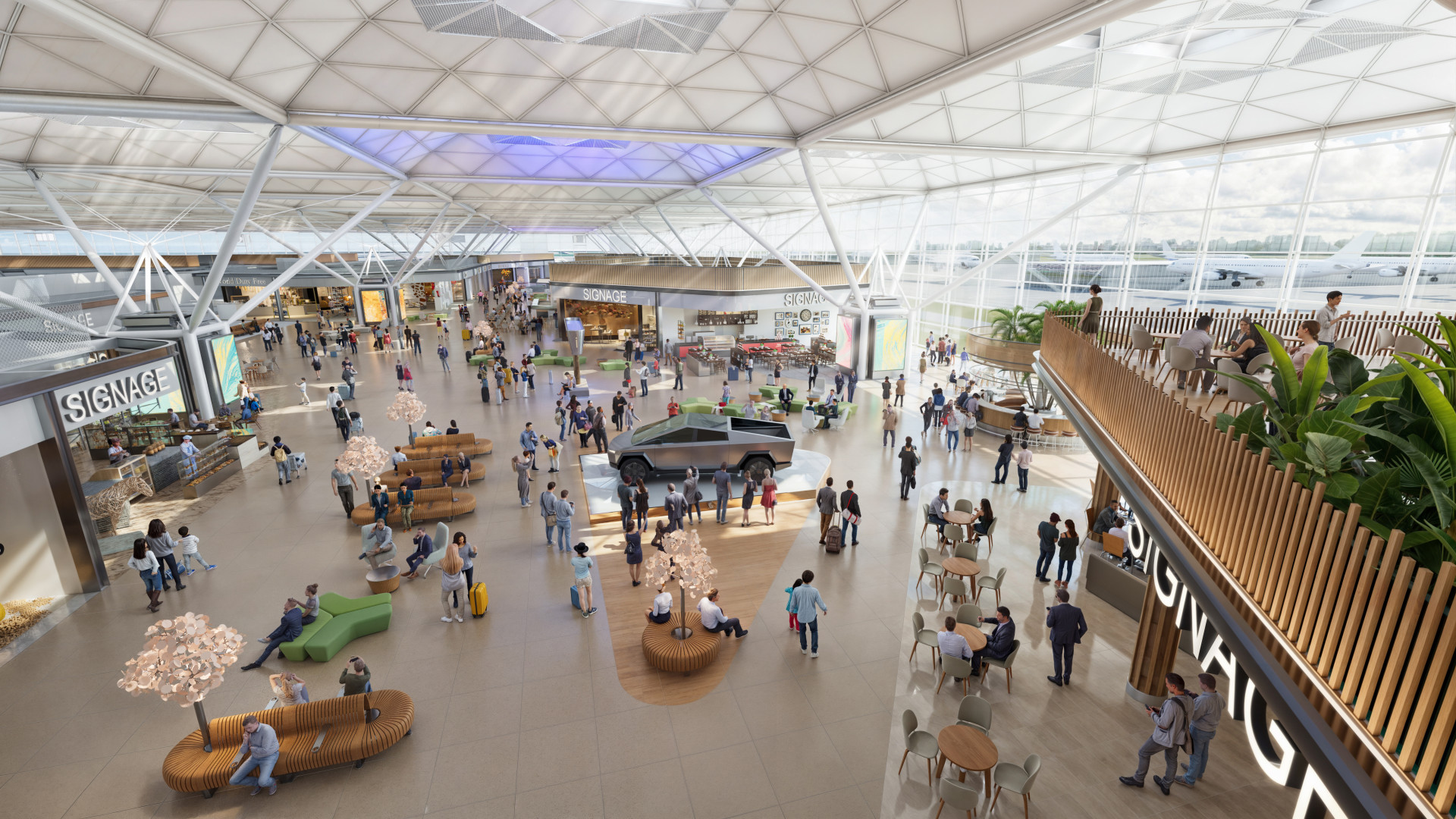
2025 and beyond – transformation and sustainable growth
"Our £1.1 billion transformation is underway – we’re growing sustainably and aiming to serve up to 51 million passengers a year."
Stansted is investing in its future through a £1.1 billion upgrade of its facilities, including a major extension to the terminal. As part of our Sustainable Development Plan, we’re preparing to serve up to 51 million passengers, all while continuing to operate using a single runway.